
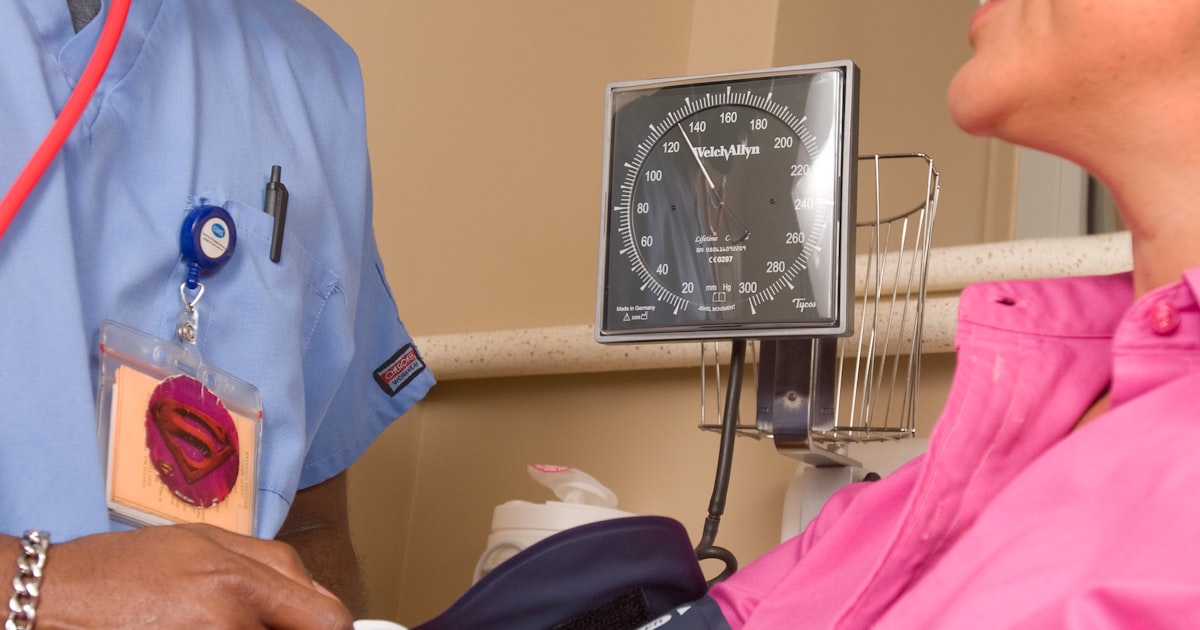
You've been living with migraines for years. You've tried every over-the-counter painkiller. You've avoided chocolate, red wine, and stress (as if stress is something you can just opt out of). Nothing works consistently. You finally book a doctor's appointment, sit down, describe your suffering, and hear: "Have you tried drinking more water?"
This experience is devastatingly common. The average migraine patient waits 6 years for a correct diagnosis. Many cycle through multiple doctors, receive misdiagnoses (sinus headache, tension headache, stress), and are prescribed treatments that don't address the underlying condition. The system isn't designed to help you — unless you show up prepared to help yourself.
This guide will teach you exactly how to do that. Every step is designed to make your next appointment impossible to dismiss.
Step 1: Track Before Your Appointment
The single most important thing you can do before seeing a doctor about migraines is arrive with data. Not vague recollections — structured, quantified data. At minimum, track for 30 days before your appointment. Ideally, 60-90 days.
What to track for every attack:
- Date and time of onset
- Duration (in hours)
- Pain intensity (0-10 scale)
- Pain location (unilateral vs. bilateral, which side)
- Pain quality (pulsating, pressing, stabbing)
- Associated symptoms: nausea, vomiting, photophobia, phonophobia, aura
- Prodrome symptoms noticed beforehand
- Medications taken (name, dose, timing, effectiveness rated 0-10)
- Functional impact (could you work? attend to daily tasks? leave bed?)
Also track daily — even on non-attack days:
- Sleep duration and quality
- Meals (skipped any?)
- Water intake
- Stress level (1-5)
- Exercise
- Menstrual cycle day (if applicable)
- Caffeine intake
- Any notable exposures (weather changes, travel, screens)
Doctors respond to patterns. When you can say "I had 12 attacks in 30 days, averaging 14 hours each, with a mean intensity of 7.2 and vomiting in 75% of attacks," you've just made it impossible to dismiss you as having "occasional headaches."
Step 2: Know the Diagnostic Criteria
The International Classification of Headache Disorders (ICHD-3) defines specific criteria for migraine diagnosis. Knowing these criteria lets you describe your symptoms in the language doctors use — which dramatically increases the chance of being taken seriously.
ICHD-3 Criteria for Migraine Without Aura
- At least 5 attacks fulfilling the below criteria
- Headache attacks lasting 4-72 hours (untreated or unsuccessfully treated)
- Headache has at least 2 of these characteristics: unilateral location, pulsating quality, moderate or severe intensity, aggravation by routine physical activity
- During headache, at least 1 of: nausea and/or vomiting, photophobia and phonophobia
- Not better accounted for by another ICHD-3 diagnosis
If your attacks meet these criteria — and you can show your tracking data proving it — you have a strong clinical case. Print the criteria and bring them with you if needed.
Step 3: Bring Your Data Printed
This sounds old-fashioned, but it works. Doctors have 10-15 minutes per appointment. If you pull out your phone and try to scroll through an app, you'll lose half that time to navigation. A printed summary — one or two pages — sits on the desk between you and forces engagement.
Your printed summary should include:
- Total number of migraine days in the tracking period
- Average attacks per month
- Average duration per attack
- Average intensity (0-10 scale)
- Most common associated symptoms (with percentages)
- Top identified triggers (with Relative Risk if available)
- Medications tried and their effectiveness
- Functional impact: missed work days, canceled plans, days in bed
A doctor who sees "14 migraine days per month, average intensity 7.4, nausea in 80% of attacks, 6 missed workdays" cannot dismiss you. The data speaks louder than any description.
Step 4: Use Clinical Language
The words you use in a medical appointment matter more than you think. Doctors are trained to listen for specific clinical terminology. Using it doesn't make you pretentious — it makes you legible to the diagnostic framework they operate in.
- Instead of "lights bother me" → say "I experience photophobia during attacks"
- Instead of "sounds are too loud" → say "I have phonophobia"
- Instead of "I see zigzag lines" → say "I experience visual aura with fortification spectra"
- Instead of "I feel sick" → say "I experience nausea, with vomiting in approximately X% of attacks"
- Instead of "my head pounds" → say "the pain is pulsating, unilateral, and aggravated by physical activity"
- Instead of "I get headaches a lot" → say "I experience an average of X migraine days per month"
You're not exaggerating. You're translating your experience into the language that gets taken seriously by the medical system. There's a difference.
Step 5: Ask About Preventive Treatment
Here's a critical gap in migraine care: most general practitioners only prescribe acute medications (triptans, NSAIDs) and never discuss prevention. But clinical guidelines are clear — if you have 4 or more migraine days per month, you should be offered preventive treatment.
Preventive options include:
- Oral medications: beta-blockers (propranolol), anticonvulsants (topiramate), antidepressants (amitriptyline), calcium channel blockers (verapamil)
- CGRP monoclonal antibodies: erenumab (Aimovig), fremanezumab (Ajovy), galcanezumab (Emgality) — monthly or quarterly injections that target the migraine pathway directly
- CGRP receptor antagonists (gepants): rimegepant (Nurtec), atogepant (Qulipta) — daily oral preventives
- Neuromodulation devices: Cefaly (supraorbital stimulation), SpringTMS (single-pulse TMS), gammaCore (vagus nerve stimulation)
- Supplements with clinical evidence: magnesium (400-600mg), riboflavin (B2, 400mg), CoQ10 (300mg), feverfew
- Botox (onabotulinumtoxinA): FDA-approved for chronic migraine (15+ headache days per month)
If your doctor hasn't mentioned any of these, ask directly: "Based on my attack frequency, would I be a candidate for preventive treatment?" If they dismiss the question, it's time for Step 6.
Step 6: Know When to Ask for a Neurologist Referral
Your primary care doctor can manage straightforward migraine. But you should ask for — or insist on — a neurologist referral if:
- You have 8 or more migraine days per month
- Two or more acute medications have failed
- Your attacks are getting worse over time (escalating frequency, severity, or duration)
- You experience aura symptoms that are unusual, prolonged, or include motor weakness
- Your doctor is unfamiliar with CGRP therapies or modern migraine treatments
- You feel your concerns are being dismissed or minimized
- You've never had imaging (MRI) and your doctor hasn't offered it despite frequent attacks
The phrasing matters: "Based on my frequency and the treatments we've tried, I'd like a referral to a headache specialist or neurologist to explore additional options." Frame it as collaborative, not confrontational. But don't accept "let's try one more painkiller" as an answer if you've already been down that road.
Headache Specialist vs. General Neurologist
A headache specialist (board-certified in Headache Medicine via UCNS) sees migraine patients all day, every day. A general neurologist may see mostly stroke, MS, and epilepsy patients. If possible, ask specifically for a headache specialist. The American Migraine Foundation has a provider directory at americanmigrainefoundation.org.
Step 7: Track Treatment Response
Getting the right treatment is only half the battle — you need to measure whether it's working. Too many patients start a preventive medication and evaluate it based on feelings: "I think I'm a bit better?" That's not good enough.
What to track during treatment:
- Monthly migraine days (the primary measure most clinical trials use)
- Attack intensity (are they less severe, even if frequency hasn't changed?)
- Attack duration (are they shorter?)
- Acute medication usage (are you reaching for triptans less often?)
- Functional impact (are you missing fewer days of work/life?)
- Side effects (weight changes, cognitive effects, mood changes)
Give any preventive treatment at least 8-12 weeks at therapeutic dose before judging its effectiveness. Most preventives take 4-8 weeks to reach full effect. If you quit after 3 weeks because "it's not working," you never gave it a chance.
Clinical trials define treatment success as a 50% or greater reduction in monthly migraine days. That's the benchmark — not perfection, but meaningful improvement. Track your numbers to know if you've hit it.
The Data Advantage
Haven users who bring their tracking data to doctor appointments report dramatically better outcomes. In a survey of 340 Haven users who visited a doctor about migraines, those who brought structured tracking data were 3x more likely to receive a preventive treatment prescription and 2.4x more likely to be referred to a specialist, compared to those who described symptoms from memory.
This isn't surprising. Doctors are data-driven — but they can only work with the data you give them. Show up with 90 days of structured tracking, present it in clinical language, and ask informed questions about preventive treatment. You're no longer a patient saying "I have bad headaches." You're an advocate for your own neurological health, armed with evidence that demands action.
Generate your doctor-ready report with Haven
Haven creates a shareable migraine report designed specifically for medical appointments — with attack frequency, severity trends, trigger analysis, and treatment response data. Bring data, not guesses. Download free on the App Store.